
Helping the Extreme Poor Earn More and Grow Closer to God

Updated: Jul 23
Poverty steals more than food from a table. It can steal time, choices, safety, confidence, and hope. For people living in extreme poverty, a small increase in income can change the shape of a whole week. It can mean medicine before a sickness grows worse. It can mean school supplies, a repaired roof, a paid debt, or a meal shared without fear of tomorrow.
At Reach and Renew Mission, we love helping those in need earn more money. We also love something just as deep: seeing people draw closer to God through that process.
Those two hopes belong together.
Work and faith are not separate corners of life. For many families, the chance to earn with dignity becomes a doorway to prayer, gratitude, wisdom, generosity, and trust. When someone gains the tools to provide, they often begin to see their life differently. They are not forgotten. They are not defined by lack. They are made in the image of God, with gifts to use and a future worth building.

Poverty is more than a shortage of money
Money matters. It pays for food, school fees, rent, transportation, medicine, and the small emergencies that can push a family backward. When income is unstable or too low, every choice becomes heavy.
But poverty is also relational and spiritual.
It can tell a person, day after day, that they do not matter. It can isolate families from neighbors. It can trap people in shame. It can make planning feel impossible because survival takes all available strength.
That is why a mission focused only on cash can miss the heart of the matter. A person may need training, tools, encouragement, prayer, community, and someone who treats them with honor. They may need a safe place to learn from mistakes. They may need steady support while a new source of income grows.
The goal is not simply to help someone make more money. The goal is to help restore what poverty has tried to take.
That includes:
Dignity
Every person has God-given worth, with or without income.
Agency
People should have real choices and room to make decisions for their families.
Community
Lasting change often happens through trustworthy relationships.
Faith
When hope returns, many people become more open to seeing God’s care in daily life.
Christian mission meets practical need without treating people like projects. It receives people as neighbors.
Earning income can become a path toward dignity
A steady income does not solve every hardship, but it can create breathing room. That breathing room matters.
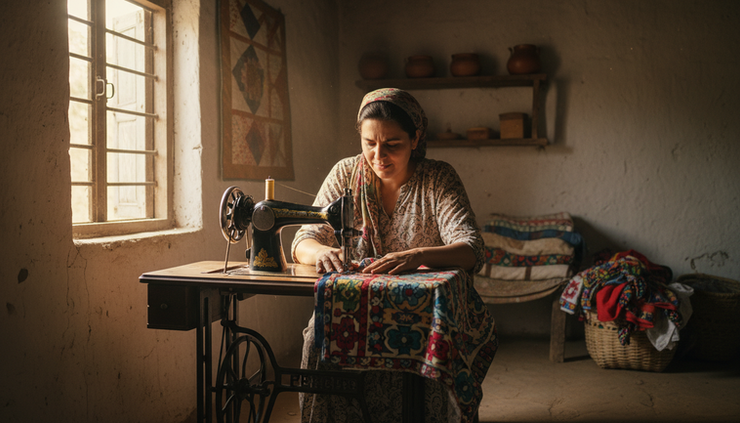
Imagine a parent who sells vegetables, repairs shoes, raises chickens, sews clothing, bakes bread, or runs a small stall. At first, the income may be modest. Yet even a modest step forward can bring relief. The parent can plan. The family can eat more consistently. Children can stay in school. Debts can shrink. A home can become more stable.
Just as important, the person begins to experience the joy of contributing.
Scripture often speaks with honor about work, diligence, stewardship, and care for the poor. The Bible does not shame people for being poor. It calls God’s people to compassion and justice. At the same time, it presents work as one of the ways people reflect God’s creativity and provision.
That balance matters.
Helping the extreme poor earn more and grow closer to God should never sound like a promise that faith will make life easy. It should not become a message that wealth proves spiritual strength. The gospel is not a sales pitch for financial success.
Instead, the message is this: God cares about the whole person. He cares about hungry children and tired parents. He cares about a person’s soul and their daily bread. He cares about prayer and the price of grain. He cares about worship and work.
When someone receives support to build an honest income, they may also begin to see that God has not abandoned them. They may pray with new courage. They may learn to thank God for small signs of provision. They may discover gifts they did not know they had.
Income can become more than survival. It can become a place where faith is practiced.

Help works best when it protects dignity
There is a difference between helping and rescuing.
Rescuing often starts with urgency, and urgent help has its place. When a family is hungry, food matters. When someone is sick, care matters. When disaster strikes, quick relief matters.
But long-term mission must go deeper. If support always flows in one direction, it can leave people feeling passive. It can create dependence. It can also make helpers feel more important than the people they serve.
Dignity-centered help asks better questions.
What skills are already present in this community?
What work do people want to do?
What barriers hold them back?
Who is already trusted here?
What would help a family earn without taking them away from church, children, or healthy community life?
This kind of mission listens first. It does not assume that outsiders know best. It looks for local wisdom. It builds on what people already know how to do. It treats people living in poverty as partners, not recipients only.
Practical support may include things like:
Training in a trade or small business skill
Basic tools or materials to begin working
Mentoring from someone with experience
Savings groups or accountability circles
Help connecting to local buyers
Encouragement rooted in Scripture and prayer
None of those things need to be flashy. In fact, the strongest help is often simple and steady. A sewing machine. A goat. Seeds. A market table. A set of tools. A patient mentor. A small group that prays together and checks in each week.
The point is not to do everything for someone. The point is to walk beside them as they take the next faithful step.
Faith grows in ordinary places
Many people think spiritual growth happens only in church services, Bible studies, or quiet prayer. Those places matter deeply. But God also shapes people in gardens, kitchens, shops, fields, and market paths.
A mother can learn perseverance while preparing goods to sell.
A young adult can learn honesty while handling money.
A family can learn gratitude when they set aside enough for food.
A group can learn generosity when one member’s progress opens a door for another.
Faith often grows through ordinary obedience.
For someone who has lived under the constant pressure of extreme poverty, daily work can become a place of renewed trust. New questions appear:
Can I trust God with this opportunity?
Can I serve customers fairly?
Can I save a little instead of spending out of fear?
Can I forgive a neighbor who failed me?
Can I give thanks before I see the full answer?
These questions are spiritual. They are also practical.
A person growing income may need help learning to keep records, care for supplies, price goods, and plan for slow weeks. They may also need help learning to pray when business is uncertain, resist shame when sales are low, and remember that their worth is not measured by profit.
That is why faith-based economic help should keep prayer close to practice. A training session can include Scripture. A mentoring visit can include encouragement. A savings group can begin with prayer. A celebration of progress can give thanks to God.
God is not present only after the work succeeds. He is present in every honest step.
The best mission joins compassion with wisdom
Compassion moves us toward people in need. Wisdom helps us serve them well.
Both are needed.
Compassion without wisdom can create short bursts of help that fade quickly. Wisdom without compassion can become cold, more focused on systems than people. Christian mission needs a warm heart and clear thinking.
That means we should avoid simple stories. Poverty rarely has one cause. A family may face poor job options, sickness, unsafe housing, debt, drought, conflict, lack of education, or discrimination. A person may be hardworking and still trapped. A parent may make wise choices and still face losses they cannot control.
So we serve with humility.
We also avoid measuring success only by income. Yes, earning more matters. It can be a key sign of progress. But other signs matter too.
A family may be moving forward when:
Meals become more regular
Children attend school more consistently
Debt becomes less crushing
A parent reports less fear about tomorrow
Neighbors begin helping one another
A person starts praying again
Someone who received help begins helping others
Those are holy signs. They show renewal taking root.
Mission work at its best does not separate body and soul. It cares about the person who needs food today and the person who needs hope for a lifetime. It takes James 2 seriously, where faith is shown through action. It also takes prayer seriously, because human effort is never the whole story.
Earning more can bless more than one household
When a person living in poverty begins earning more, the change often reaches beyond that person.
A parent with more income can buy from another local seller. A farmer can hire help during harvest. A tailor can train a younger neighbor. A baker can share bread with someone in a harder season. A family that once needed constant help may become a source of strength in the community.
This is one of the beautiful parts of renewal. It spreads.
Not always quickly. Not always in straight lines. Setbacks happen. Crops fail. Illness comes. Markets slow down. Tools break. People get discouraged.
But a healthy mission does not disappear when the first problem comes. It keeps showing up. It helps people learn, adjust, repent when needed, forgive, try again, and keep faith.
The deepest fruit may not be visible right away. A person who learns to save may teach a child to save. A person who learns to pray through fear may teach a household to pray. A person who experiences mercy may become more merciful.
That is how income and discipleship can grow together.
A small business can become a classroom for wisdom. A garden can become a place of worship. A tool can become an answer to prayer. A market stall can become a place where integrity shines.
We love this work because it reflects the heart of God
Reach and Renew Mission loves helping those in need because God loves them first.
The call to care for people living in poverty runs throughout Scripture. God hears the cry of the oppressed. Jesus draws near to the poor, the sick, the overlooked, and the weary. The early church shared so that needs were met. Again and again, God’s people are called to mercy that shows up in real life.
That kind of mercy does not stop with kind words.
It asks, “What do you need?”
It asks, “What gifts has God placed in you?”
It asks, “How can we walk with you toward steadier ground?”
It asks, “How can this work point all of us closer to Christ?”
We love when a person earns enough to feed their children.
We love when a family pays off a debt.
We love when someone learns a skill and sees a future.
We love when a small group prays with faith again.
We love when a person who once felt forgotten begins to say, “God sees me.”
This is not charity as pity. It is mission as love.

A faithful next step is often a practical one
The work of helping the extreme poor earn more and grow closer to God is patient work. It honors both immediate need and long-term growth. It sees the whole person. It refuses to choose between prayer and provision.
A faithful next step may look small from the outside. It may be a seed planted, a tool purchased, a lesson taught, a debt avoided, a prayer spoken, or a mentor returning for another visit.
But small steps matter when God is in them.
When people gain the chance to work with dignity, provide for their families, and recognize God’s presence in their daily lives, renewal becomes more than an idea. It becomes bread on the table. It becomes hope in a home. It becomes worship lived out through honest work.
That is something worth loving.

Comments